
Most modern vehicles now feature an Electric Parking Brake (EPB). Replacing the traditional mechanical handbrake with an electronically controlled system, the EPB improves driving comfort and enables features such as Auto Hold and hill-start assist. However, servicing these systems requires specific procedures and the use of appropriate diagnostic equipment.
When replacing brake pads, a caliper or an EPB motor, carrying out the operation without activating maintenance mode can damage the electric actuators or cause persistent faults. With HaynesPro, workshops have access to manufacturer repair procedures, wiring diagrams, component locations and the technical information required to carry out these operations safely.
Risks of Performing Repairs Without the Correct Procedure
An intervention carried out without following the manufacturer’s procedure may result in:
- EPB motor damage;
- Rear calipers becoming locked;
- Inability to exit maintenance mode;
- EPB or ABS warning lights appearing;
- Storing fault codes;
- Auto Hold function malfunction;
- Customer returning to the workshop after a brake pad replacement.
In some cases, technicians may also need to recalibrate the entire system before returning the vehicle to service.
Essential Information Before Starting the Repair
Before working on an EPB system, technicians should check:
- The type of parking brake system installed;
- Fault codes stored in the EPB control module;
- Battery charge condition;
- The manufacturer’s maintenance mode activation procedure;
- Brake component tightening torques;
- The maintenance mode exit and calibration procedure.
With HaynesPro, this information is available through a single interface, avoiding the need for technicians to consult multiple technical sources.
Workshop Case Study: Rear Brake Pad Replacement on a Volkswagen Passat Equipped with EPB
Symptom
A Volkswagen Passat arrives at the workshop for rear brake pad replacement. After removing the wheels, the technician finds that the caliper pistons cannot be pushed back.
Diagnosis
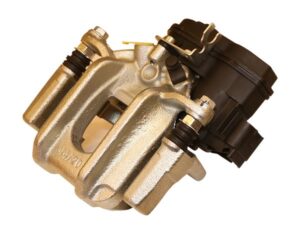
The vehicle is equipped with an electric parking brake system with motors integrated into the rear calipers. The system was not placed into maintenance mode before the repair started.
Using HaynesPro, the technician accesses:
- The manufacturer’s EPB maintenance procedure;
- The steps to activate and deactivate maintenance mode;
- The system wiring diagrams;
- Possible fault codes related to the parking brake system.
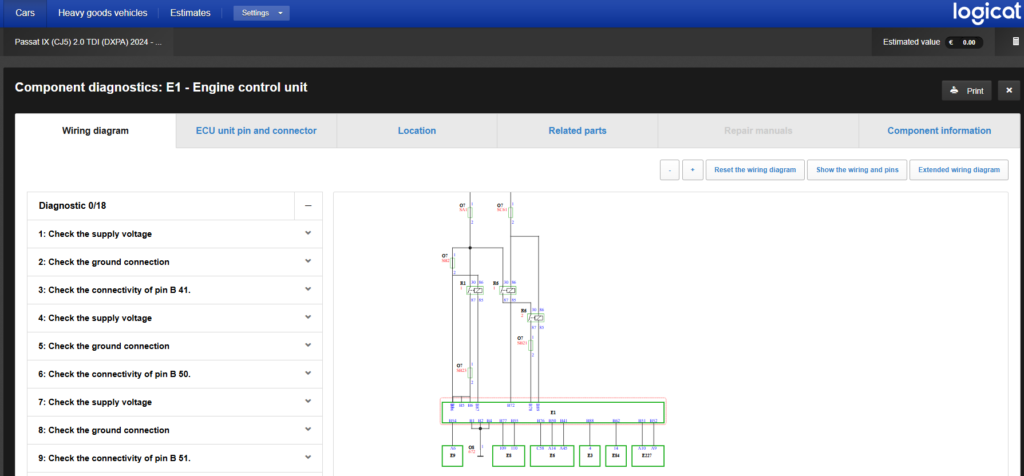
The procedure is then carried out using the diagnostic tool.
Result
- Maintenance mode successfully activated;
- Brake pads replaced without damaging the actuators;
- Maintenance mode deactivated and system calibration completed;
- No EPB warning light after the repair;
- Vehicle returned to the customer without a workshop comeback.
HaynesPro Features That Support EPB Diagnosis
For electric parking brake systems, HaynesPro provides:
- Manufacturer maintenance procedures;
- EPB system wiring diagrams;
- Locations of control units, fuses and connectors;
- Tightening torques;
- Technical component illustrations;
- Manufacturer technical bulletins when available;
- SmartFIX solutions to guide technicians through known faults.
These resources help reduce diagnostic errors and speed up repairs on increasingly electronic braking systems.
Why Use HaynesPro for Electric Parking Brake Repairs?
HaynesPro helps workshops to:
- Quickly access manufacturer repair procedures;
- Ensure safe interventions on rear brake systems;
- Reduce the risk of actuator damage;
- Consult wiring diagrams and component locations;
- Improve diagnostic efficiency;
- Reduce workshop comebacks caused by incorrect maintenance procedures.
As electric parking brakes become standard equipment on modern vehicles, having reliable technical documentation is essential to ensure repairs are carried out according to manufacturer specifications.
Discover HaynesPro and access manufacturer procedures, wiring diagrams and technical information to efficiently repair electric parking brake systems.