

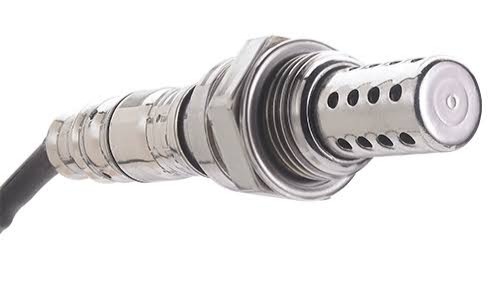
The lambda sensor, also known as an oxygen sensor (O2 sensor), plays a critical role in modern engine management systems. By measuring the oxygen content in the exhaust gases, it provides essential data to the engine control unit (ECU), allowing it to adjust the air-fuel mixture and maintain efficient combustion.
When a lambda sensor-related fault occurs, symptoms can include increased fuel consumption, reduced engine performance, unstable idling or an illuminated engine warning light. However, a fault code related to the lambda sensor does not always mean that the sensor itself has failed. With HaynesPro, workshops can access manufacturer repair procedures, wiring diagrams, component locations, technical specifications and SmartFIX to identify the actual cause of the fault.
The Risks of Misdiagnosis
Lambda sensor fault codes can be caused by several issues within the engine management or exhaust system. Common causes include:
- Faulty lambda sensor;
- Damaged wiring or electrical connectors;
- Exhaust leaks upstream of the sensor;
- Intake air leaks;
- Incorrect fuel pressure;
- Faulty mass air flow sensor;
- Contaminated sensor caused by oil or coolant entering the combustion chamber;
- Engine misfires affecting exhaust gas composition.
Replacing the lambda sensor without performing a complete diagnosis can therefore lead to unnecessary costs and fail to resolve the original fault.
Essential Checks Before Diagnosis
Before replacing a lambda sensor, technicians should check:
- Stored fault codes and Freeze Frame data;
- Live sensor data;
- Sensor power supply and ground circuits;
- Wiring and connector condition;
- Exhaust system for leaks;
- Fuel pressure and fuel system operation;
- Related Technical Service Bulletins (TSBs).
Using HaynesPro, technicians can access the relevant manufacturer information and technical data from a single platform, helping them follow a structured diagnostic process.
Workshop Case Study: Engine Warning Light on a Volkswagen Golf
Symptom
A Volkswagen Golf arrives at the workshop with the engine warning light illuminated. The customer reports increased fuel consumption and unstable engine idle.
Diagnosis
A diagnostic scan reveals a fault code related to the upstream lambda sensor.
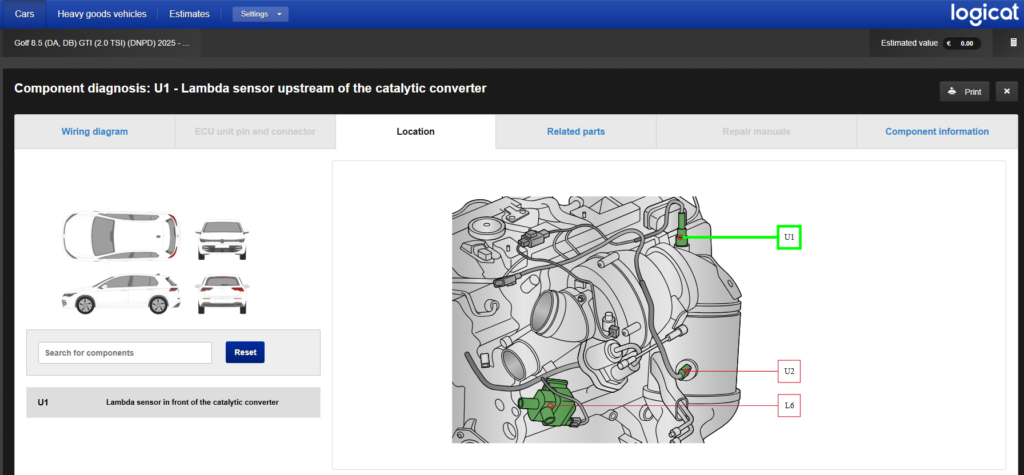
Before replacing the sensor, the technician uses HaynesPro to access:
- Engine management wiring diagrams;
- Lambda sensor location;
- Manufacturer test procedures;
- Relevant technical specifications;
- SmartFIX to check for known recurring faults.
Electrical checks confirm that the lambda sensor receives the correct power supply and ground. Further inspection reveals an exhaust leak upstream of the sensor.
The leak allows additional oxygen to enter the exhaust system, causing the sensor to detect an incorrect oxygen concentration and leading the ECU to adjust the air-fuel mixture incorrectly.
Result
- Exhaust leak repaired;
- No lambda sensor replacement required;
- Fault codes cleared;
- Stable idle restored;
- Fuel consumption returned to normal levels.
HaynesPro Features That Simplify Lambda Sensor Diagnostics
For lambda sensor and engine management diagnostics, HaynesPro provides access to:
- Detailed wiring diagrams;
- Component and connector locations;
- Manufacturer diagnostic procedures;
- Technical specifications and test values;
- Technical Service Bulletins;
- SmartFIX, highlighting known faults and proven repair solutions.
These resources help technicians follow a systematic diagnostic process and avoid replacing components without confirming the root cause.
Why Use HaynesPro for Lambda Sensor Diagnostics?
HaynesPro enables workshops to:
- Quickly access manufacturer diagnostic procedures;
- View complete engine management wiring diagrams;
- Locate lambda sensors and related components;
- Check technical specifications and test values;
- Review Technical Service Bulletins;
- Use SmartFIX to identify recurring faults;
- Reduce diagnostic time and unnecessary parts replacement.
As modern engine management systems become increasingly complex, access to reliable technical information is essential for accurate diagnostics and efficient repairs.
A lambda sensor fault code does not always indicate a faulty sensor. The root cause may be an exhaust leak, a wiring problem, an air intake issue or another engine management fault affecting combustion and exhaust gas composition.
With HaynesPro, workshops have access to the manufacturer procedures, wiring diagrams, component locations and technical information required to diagnose lambda sensor faults accurately. By following a structured diagnostic process, technicians can reduce unnecessary parts replacement, improve workshop efficiency and ensure a reliable repair.
Discover HaynesPro and access comprehensive technical information for diagnosing lambda sensor and engine management faults.