
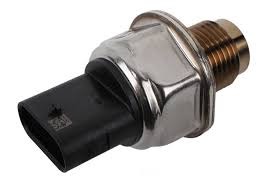
The common rail pressure sensor is a key component of Common Rail diesel engines. It enables the engine control unit (ECU) to precisely adjust fuel injection based on load, engine speed and operating conditions.
A faulty rail pressure sensor or inconsistent readings can lead to power loss, hard starting, limp mode activation or an illuminated engine warning light. Thanks to HaynesPro, technicians benefit from guided diagnostics, manufacturer wiring diagrams, OEM reference values and reliable test procedures to quickly identify the root cause of the issue.
Symptoms of a Faulty Rail Pressure Sensor
The most common symptoms encountered in the workshop include:
- Engine warning light on (MIL / Check Engine)
Common fault codes: P0190, P0191, P0087, P0088, P0093 - Hard or no starting
Insufficient rail pressure during engine cranking - Power loss or hesitation under load
Incorrect pressure signal sent to the ECU - Limp mode activation
Engine protection triggered by critical pressure deviation - Excessive fuel consumption or abnormal smoke
Poor injection control
Step 1: Data Collection with HaynesPro
HaynesPro provides fast access to:
- Common Rail system diagrams: high-pressure pump, rail pressure sensor, regulator, injectors
- Manufacturer rail pressure specifications: starting, idle, full load
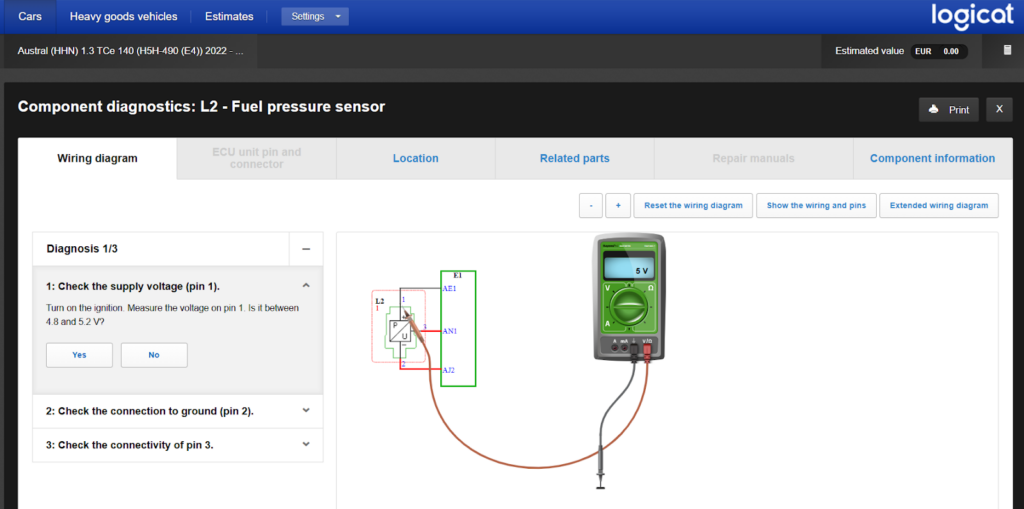
- Guided diagnostic procedures: electrical, mechanical and functional tests
- Exact sensor and wiring harness locations
- OEM voltage and resistance ranges for multimeter testing
This information helps determine whether the fault is related to the sensor, wiring harness, high-pressure pump or a fuel system leak.
Step 2: Expert Diagnosis of the Rail Pressure Sensor
1. Electrical sensor check
- Verification of power supply (5 V reference)
- Ground circuit check
- Measurement of output signal (proportional to pressure)
2. Actual vs. target value comparison
- Reading actual rail pressure via OBD
- Comparison with HaynesPro manufacturer target values
3. Wiring harness and connector inspection
- Common oxidation issues (heat, vibration)
- Broken wires or damaged insulation
4. Mechanical system inspection
- Check for internal or external leaks
- Faulty pressure relief valve
- Malfunctioning pressure regulator
➡ Also read our article: How to diagnose a fuel pressure regulator with HaynesPro
HaynesPro Case Study: Peugeot 308 1.6 HDi (DV6)
Symptoms
- Long cold starting
- Engine warning light on
- Fault code P0191 – Rail pressure sensor signal implausible
Diagnosis using HaynesPro
✔ Access to DV6 engine Common Rail diagram
✔ Guided test procedure for G248 pressure sensor
✔ Manufacturer specifications :
- Starting rail pressure: 250–300 bar
- Sensor signal: 0.5 to 4.5 V
Results
- Power supply and ground OK
- Unstable signal during starting
- Wiring harness intact
Diagnostic conclusion
Faulty rail pressure sensor (internal drift)
Solution
- Replacement of the rail pressure sensor
- Clearing of fault codes
- Validated road test
- Normal starting restored
⏱ Time saved thanks to HaynesPro: ~40 minutes
(by avoiding unnecessary replacement of the high-pressure pump)
Possible Solutions Depending on Diagnosis
- Replacement of the rail pressure sensor
- Repair of the electrical wiring harness
- Replacement of the pressure regulator
- Repair of a fuel leak
- ECU adaptation reset
Tips for Technicians
- Always compare actual rail pressure with manufacturer target values
- Never replace the sensor without checking power supply and ground
- Use HaynesPro wiring diagrams to avoid connection errors
- Document the diagnostic process to justify repairs to the customer
The rail pressure sensor is a critical component of modern diesel injection systems.
With HaynesPro, technicians gain access to reliable OEM data, structured procedures and detailed diagrams to deliver accurate, fast and cost-effective diagnostics.
➡ Result: fewer errors, less wasted time and higher customer satisfaction.
👉 Discover HaynesPro and access manufacturer data for all vehicle types.