

The variable geometry turbo (VGT) is a key component of modern diesel and gasoline engines. It optimizes boost by adjusting the angle of the turbine vanes according to engine load and speed. A VGT malfunction can lead to power loss, limp mode activation, increased fuel consumption, or even engine shutdown to protect both the turbo and the engine.
With HaynesPro, mechanics benefit from a structured methodology for diagnosing VGT turbos: detailed diagrams, OEM reference values, guided procedures, and access to sensors and actuators to quickly identify the causes of performance loss.
Symptoms of a Faulty VGT Turbo
The most common signs seen in workshops include:
- Engine or boost warning light on
- Common fault codes: P0234, P0299, P2563, P2263, P2475
- Power loss and limp mode
The ECU limits torque and boost pressure to protect the engine. - Whistling or unusual turbo noise
Stuck turbine, blocked vanes, or boost leaks. - Black or blue smoke
Poor combustion due to insufficient boost or irregular airflow. - Excessive fuel consumption
Caused by incorrect air/fuel mixture or compensatory engine operation. - Difficulty starting or poor acceleration
Often noticeable under high load conditions.
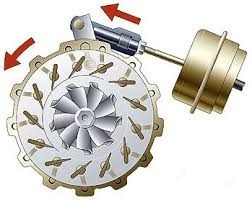
Step 1: Data Collection with HaynesPro
HaynesPro provides quick access to :
- Complete VGT turbo system diagrams
Turbo, variable geometry actuator, pressure and temperature sensors, intercoolers, and hoses. - OEM reference values
Boost pressure, VGT vane movement range, engine torque allowed in limp mode. - OEM control strategies
Vane position according to engine speed, load, temperature, and manifold pressure. - Guided diagnostic procedures
Electrical, mechanical, and functional checks. - Precise component location
Essential for testing the actuator, hoses, and pressure sensors.
👉 This data allows mechanics to distinguish between a true mechanical fault (stuck vanes) and an electrical or sensor issue.
Step 2: Expert VGT Turbo Diagnostics
1. Boost Pressure Analysis
Compare the measured manifold pressure with the engine’s target value to identify under- or over-boost conditions.
2. VGT Actuator Check
Verify the electrical or pneumatic signal. Test vane mobility, often using an OEM tool or a HaynesPro diagnostic scanner.
3. Inspection of Hoses and Air Path
Check for leaks, blockages, or deterioration in hoses and intercoolers.
4. Engine Operating Condition Analysis
Monitor engine temperature, speed, load, and pressure before and after the turbo.
5. Guided Functional Tests via HaynesPro
Manually or diagnostically position the VGT vanes and compare with OEM reference values.
Case Study with HaynesPro: Ford Transit 2.0 TDCi
Symptoms:
- Power loss on the highway
- Unusual turbo whistling
- Fault code P0299 – insufficient boost
Diagnosis via HaynesPro:
- Access to the P4 engine VGT turbo diagram
- OEM values:
- VGT vane range: 0–80% depending on load
- Maximum manifold pressure: 1.5 bar
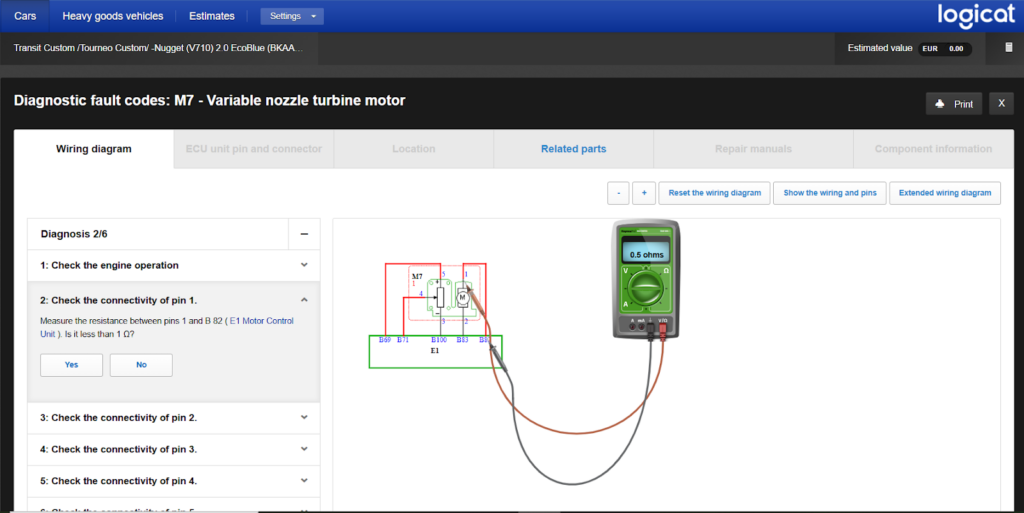
Results:
- VGT actuator slow to respond
- Boost pressure under load below target
- Slightly obstructed compressed air hose
Solution:
- Clean the turbo and check the vanes
- Reset ECU adaptations
- Validated road test
⏱ Time saved using HaynesPro: ~45 minutes
Possible Solutions Based on Diagnosis
- Clean or free the turbo
- Replace the VGT turbo if mechanically blocked
- Repair or replace the VGT actuator
- Inspect and replace boost hoses if necessary
- Update ECU software if recommended
- Reset turbo adaptation values
The VGT turbo is critical for engine performance and fuel efficiency. With HaynesPro, mechanics have quick access to OEM data, detailed diagrams, guided procedures, and reference values, enabling a precise and safe diagnosis. Proper diagnostics reduce repair time, avoid unnecessary replacements, and improve customer satisfaction.
Test HaynesPro and access OEM data for all vehicle types.
Sources: