

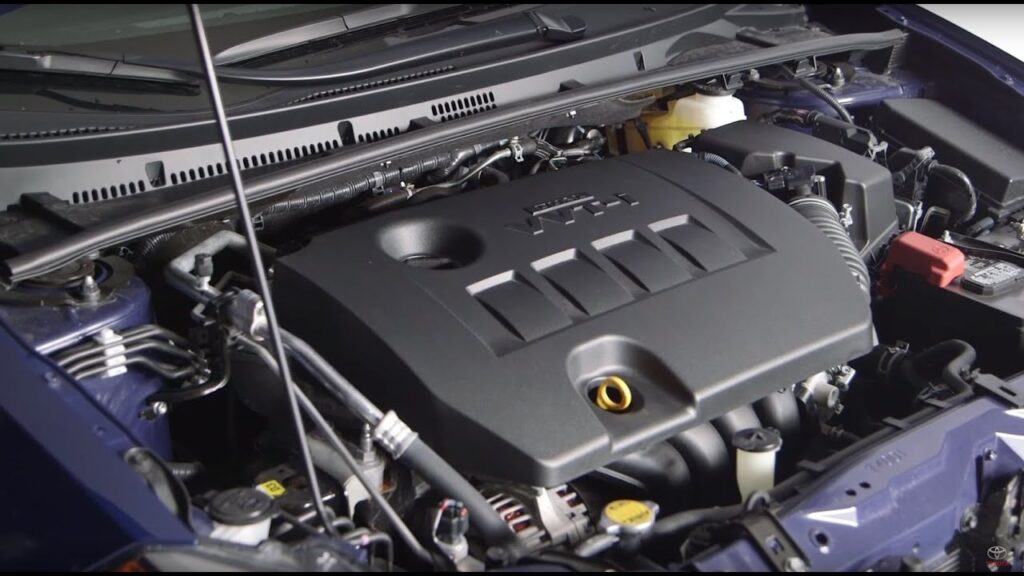
The Variable Valve Timing (VVT) system allows camshaft timing to be adjusted according to the engine’s operating conditions. This technology helps optimize performance, fuel consumption and emissions.
When a fault affects the VVT system, symptoms may include loss of power, starting difficulties, rough idling, poor acceleration response or an illuminated engine warning light. Fault codes such as P0010 or P0011 may be associated with variable camshaft control or a correlation problem between the crankshaft and camshaft.
However, a fault code related to variable valve timing does not necessarily mean that the actuator or VVT system is defective. An oil-related issue, contamination, an electrical fault or a mechanical problem can also prevent the camshaft from being adjusted correctly.
With HaynesPro, workshops can access vehicle-specific technical information to follow a structured diagnostic procedure and identify the actual cause of the fault.
The Risks of Misdiagnosis
VVT system faults can have several causes. Common causes include:
- Faulty VVT actuator or solenoid;
- Damaged electrical wiring or connector;
- Contamination of the solenoid or oil passages;
- Insufficient oil pressure or poor oil quality;
- Mechanical problem with the variable valve timing mechanism;
- Camshaft position sensor fault;
- Timing misalignment between the camshaft and crankshaft.
On some engines, deposits or contamination in the oil passages can prevent the camshaft from being adjusted correctly and trigger variable valve timing-related fault codes.
Replacing the actuator or solenoid directly without checking the entire system can therefore lead to unnecessary parts replacement and may not resolve the original fault.
Essential Checks Before Replacing a VVT Component
Before replacing a variable valve timing component, technicians should check:
- Fault codes stored in the ECU;
- VVT system parameters and actual values;
- Electrical supply and actuator wiring;
- Condition of the connectors;
- Engine oil level and condition;
- Condition of the solenoid and oil passages;
- Camshaft and crankshaft sensor signals;
- Correlation between the actual and requested camshaft positions.
Camshaft and crankshaft sensors provide the ECU with the information required to determine the position of engine components and ensure their synchronization.
With HaynesPro, technicians can access the vehicle-specific technical information required to perform these checks and follow the appropriate diagnostic procedures.
Workshop Case Study: Engine Warning Light and Timing Fault on a Toyota Yaris
Symptom
A Toyota Yaris 1.0 arrives at the workshop with the engine warning light illuminated. Electronic diagnostics reveal fault code P0011, associated with camshaft timing.
Diagnosis
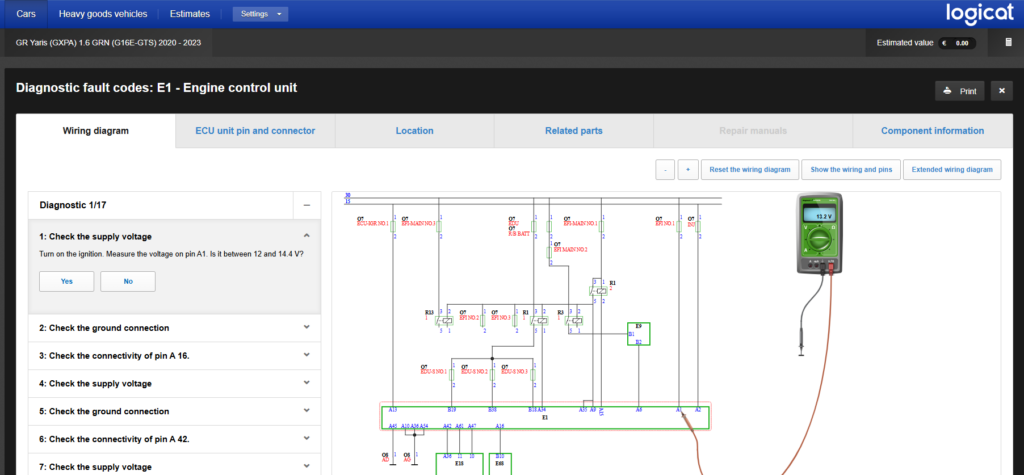
Before directly replacing a VVT system component, the technician consults the vehicle-specific technical information available through HaynesPro.
They check in particular:
- The stored fault code;
- The camshaft control system;
- Wiring and connections;
- Operation of the variable valve timing mechanism;
- Oil condition and any signs of contamination.
In the case documented by HELLA, fault code P0011 may be related to a problem with the camshaft adjustment mechanism, particularly a blocked ventilation hole.
Result
The checks help direct the diagnosis towards the variable valve timing system rather than replacing components without confirming the cause.
This approach highlights the importance of diagnosing the root cause of a timing fault before replacing a component.
HaynesPro Features That Support VVT Diagnostics
For faults related to variable valve timing, HaynesPro gives technicians access to vehicle-specific technical information, including:
- Manufacturer diagnostic and repair procedures;
- Wiring diagrams;
- Component locations;
- Technical specifications and data;
- Information required for engine system checks;
- SmartFIX, where available, to identify known faults and their repair solutions.
This information allows workshops to follow a structured diagnostic method and avoid replacing a component solely on the basis of a fault code.
By combining diagnostic equipment with reliable technical information, technicians can check the electrical system, oil, actuators, sensors and mechanical timing before carrying out the repair.
With HaynesPro, workshops have access to the technical information needed to support the diagnosis of variable valve timing faults and carry out more accurate repairs.
Discover HaynesPro and access the technical information needed to diagnose engine timing and variable valve timing faults.